On Monday we we’re asked to go into groups and between us deliver a presentation on sustainability campaigns that we each individually researched. The aim of this task is to get us engaged with researching and finding what works well for a sustainability campaign. I really enjoyed this task and the prospect of working in a group, it felt very professional working as part of a team and finding everyone a role, and I really enjoy learning more about sustainability and different organisations as I am an avid climate activist and so this was right up my street. It gave me an opportunity to find campaigns and organisations I’d never come across before and evaluate them from the eyes of a designer, exploring the 5 W’s behind them, evaluating if they had call to actions, and picking apart the design elements (text, image, colour, etc).
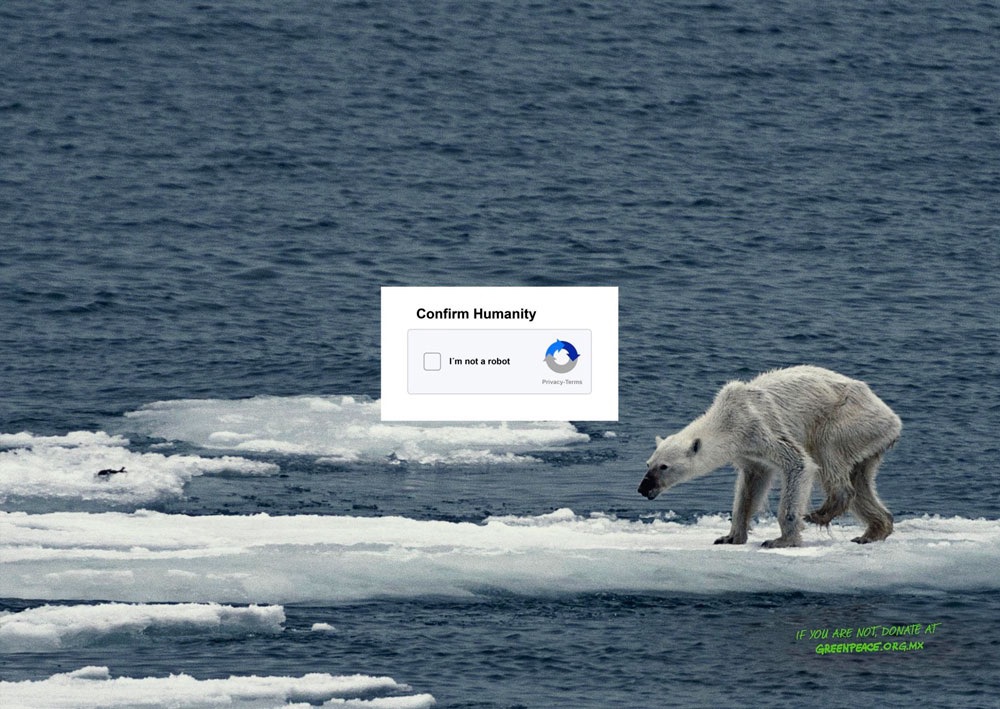
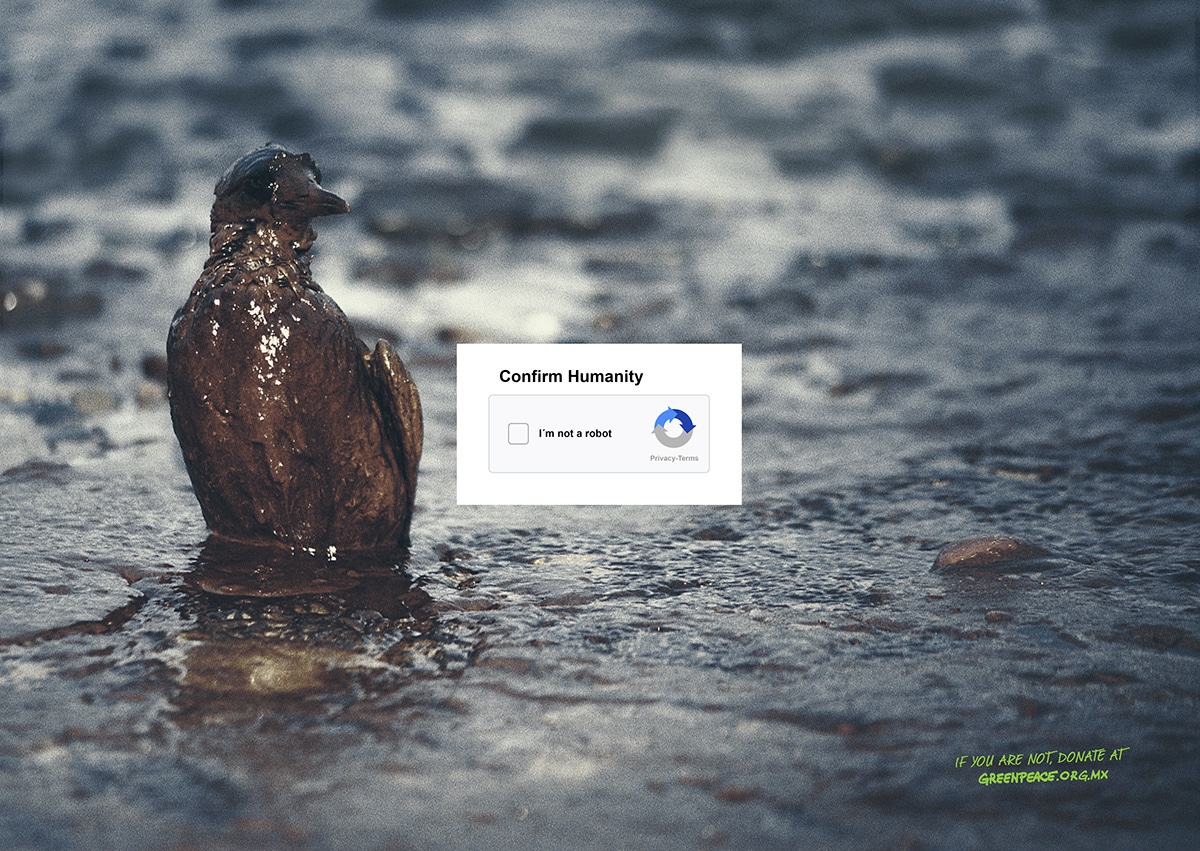
Who? Independent campaigners Greenpeace, designed by DDB, Mexico. What? Advertising campaign When? 2018 Why? To bring awareness to the cruelty of animals caused by humans and climate change. CTA? Not a direct call to action but a very clever take on a CTA, by getting the viewer to ‘confirm humanity’.
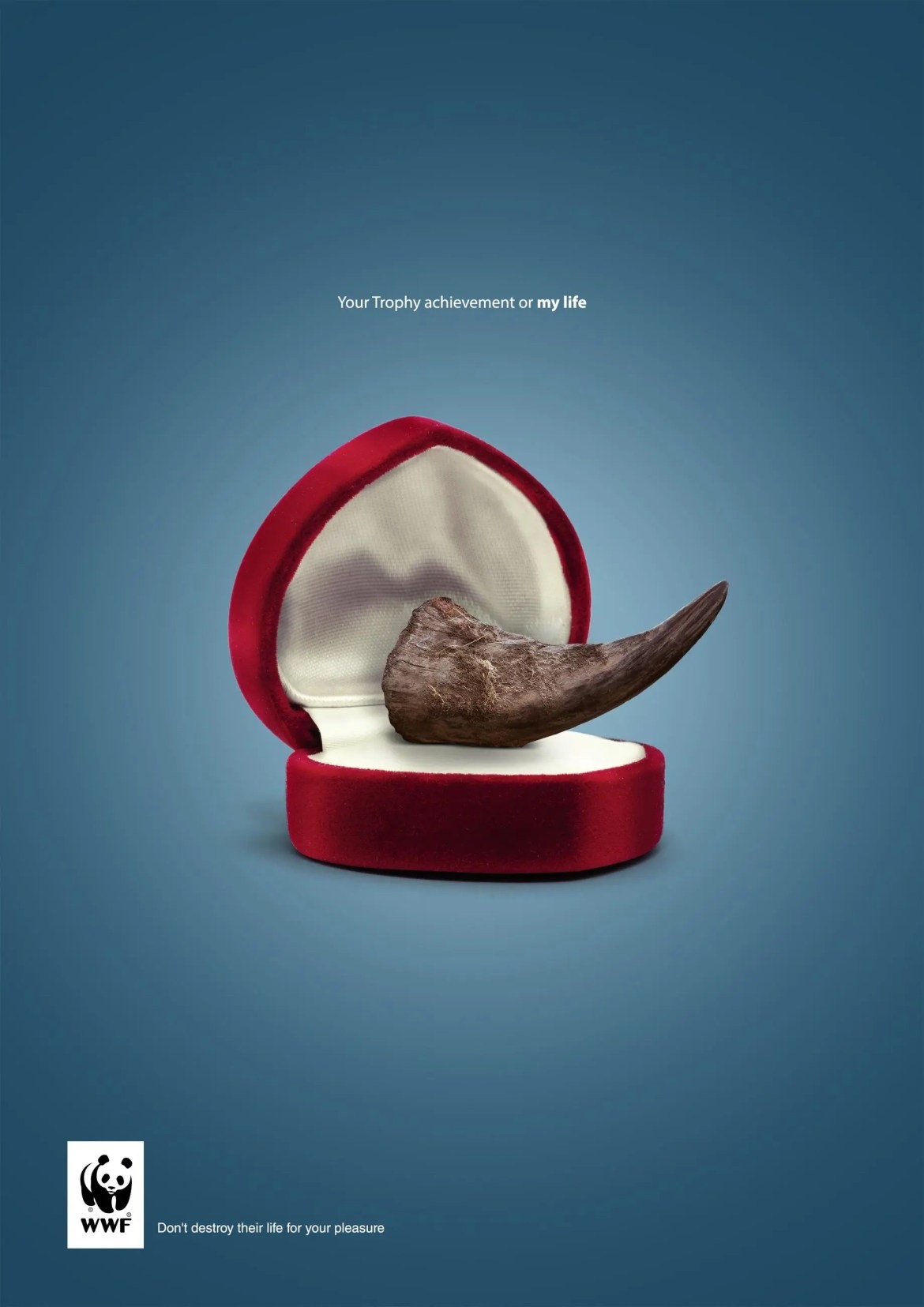
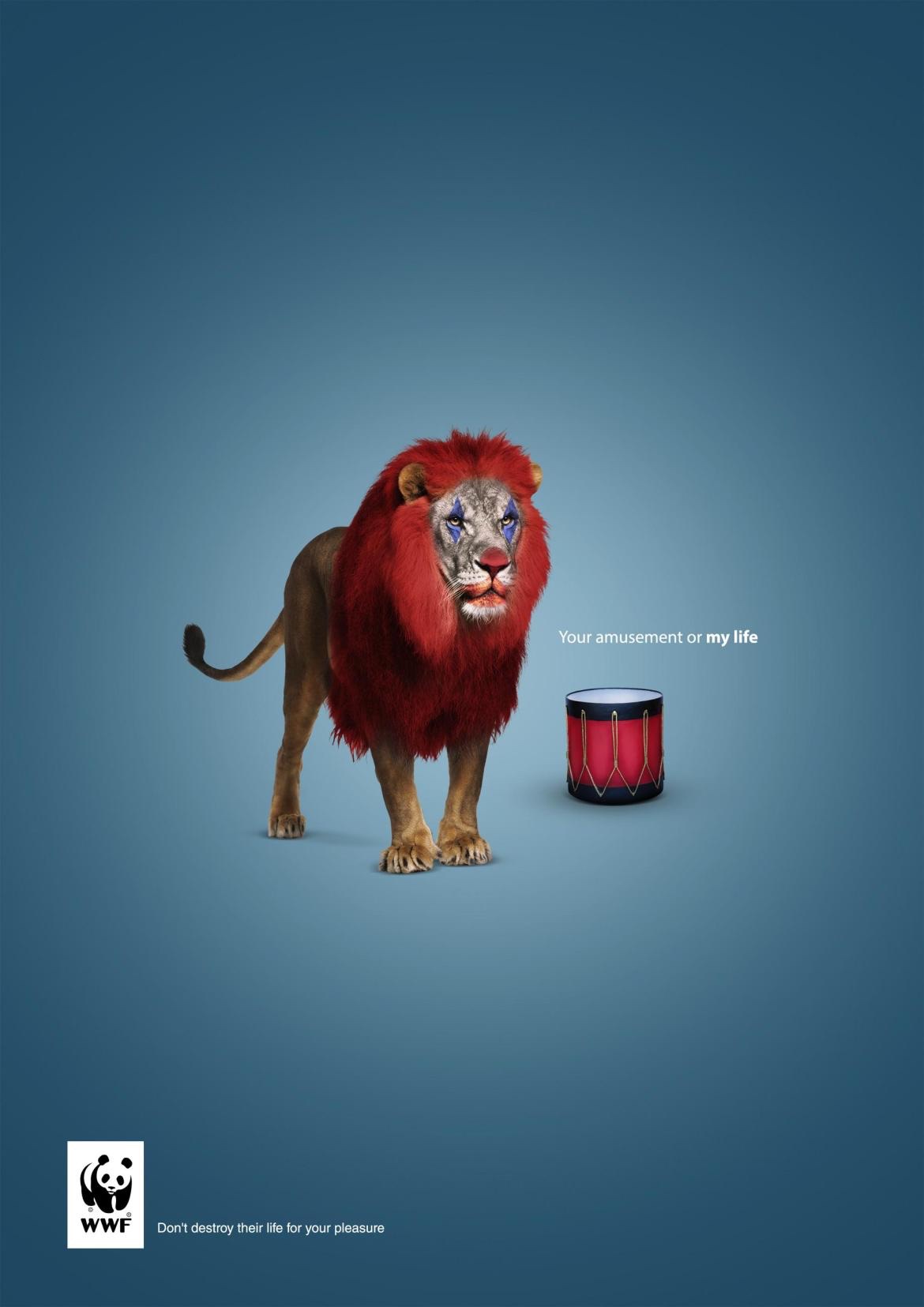
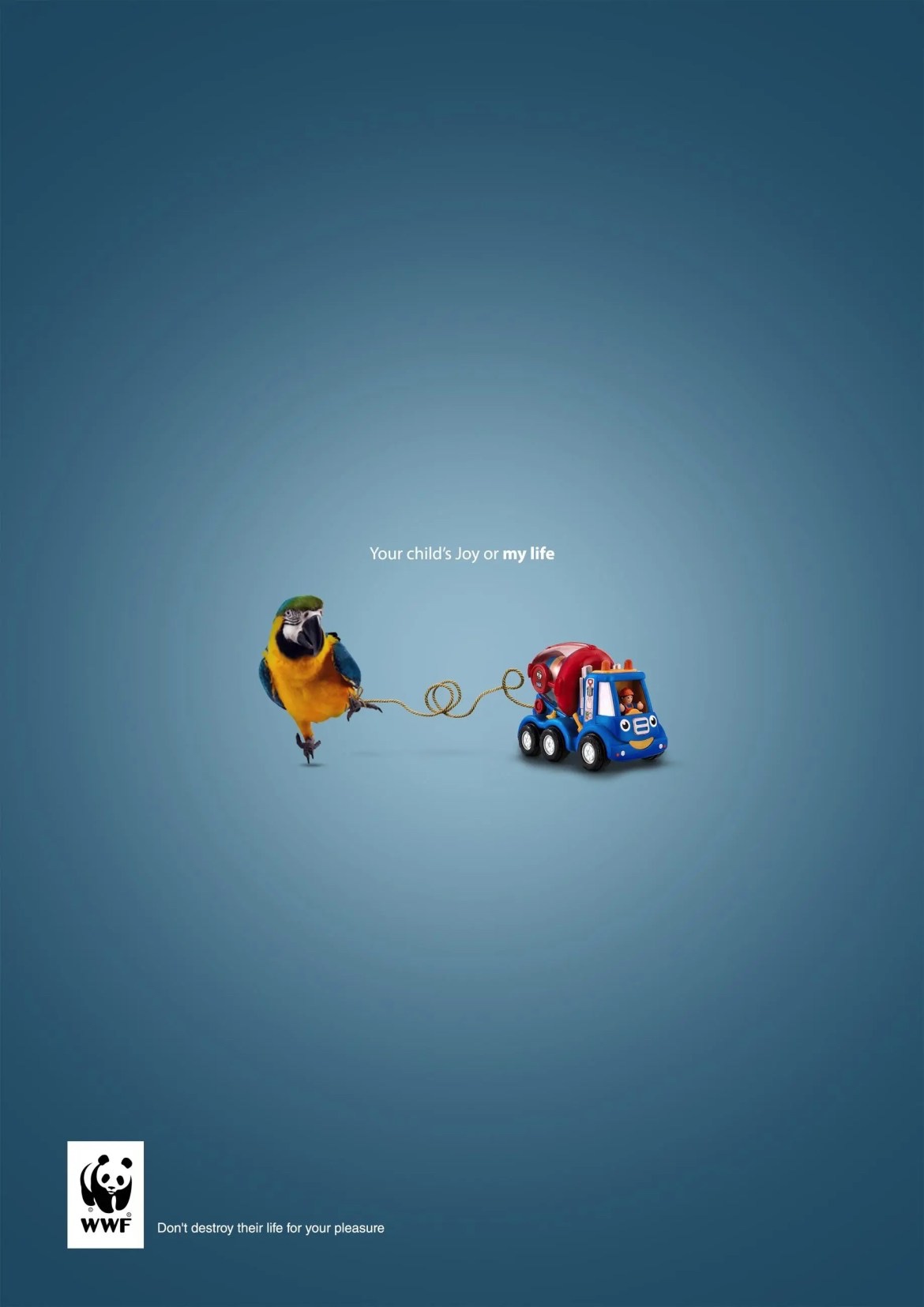
Who? WWF, arguably one of the most well-known independent conservation organisations. Designed by Stellar Agency. What? An awareness campaign to highlight the different scenarios where animals are mistreated. When? Date not specified. Why? To address animal cruelty and to give the public an opportunity to donate to WWF to support the vital work they do. CTA? No but an important message and narrative.
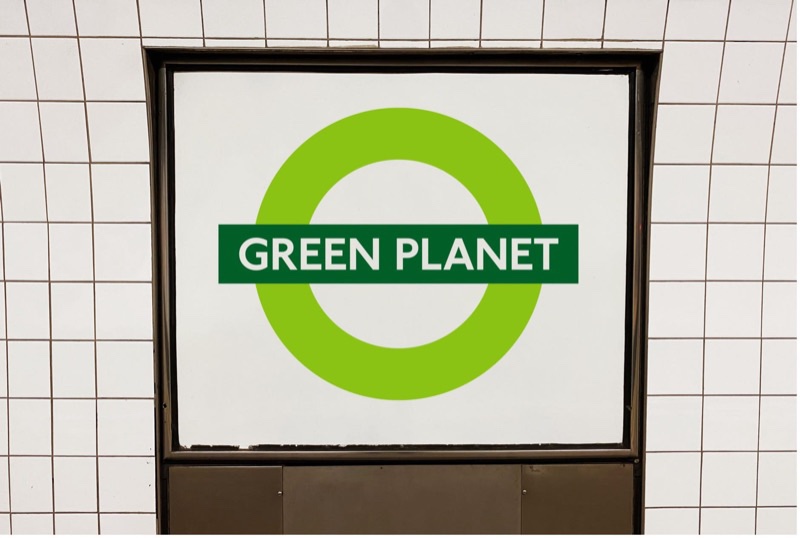
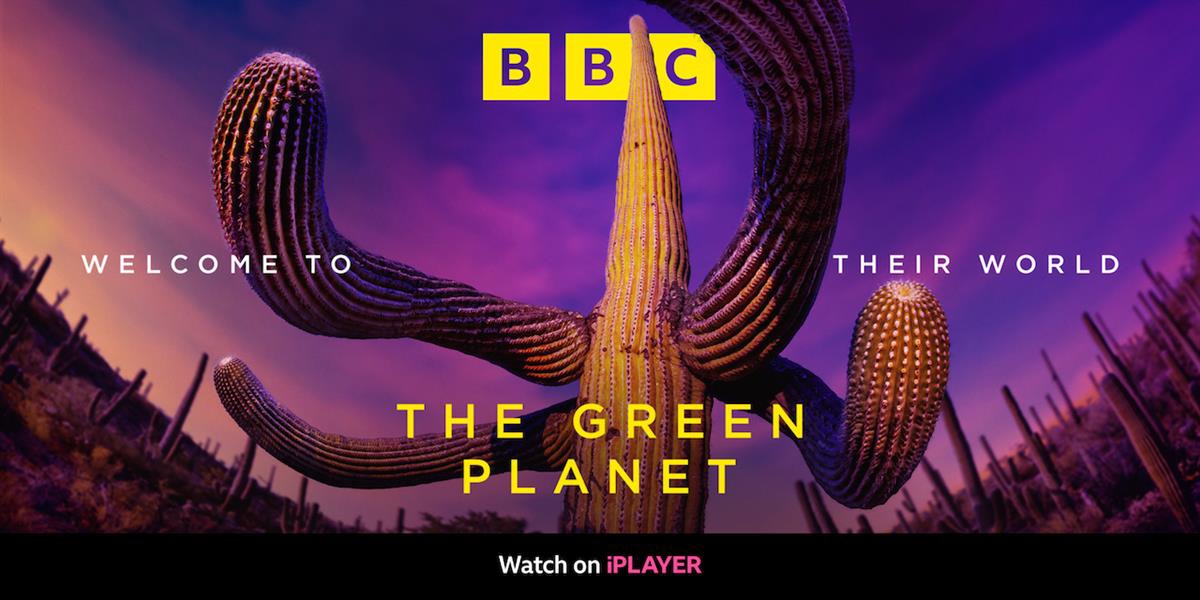
Who? BBC’s creative team and David Attenborough. What? Green Park tube station in London changed its name temporarily to signal the launch of David Attenborough’s new BBC series ‘Green Planet’. When? Start of January 2022. Where? Green Park tube station Why? To attempt to engage commuters to want to watch the new series showcasing our world and how it is currently being treated, and furthermore to get them interested with environmentalism and our planet. CTA? No, not a direct CTA but more of an invitation to watch the show on live TV. I.e informing the viewer of the premiere date and where to watch it.
Notes: Very visual and iconic, everyone recognises the tube logo and therefore I think this was a very clever design decision. It is partial to making an imprint in people’s minds. There’s also a subliminal link there by changing a tube station name, as a massive contributor to climate change is the use of transport. Rail usage in the UK made up 1.4% of the overall CO2 emissions emitted in 2018, with each year seeing an increase in these figures. As well as this there were several other elements to the campaign such as very graphic posters and billboards, also dotted around London, but this element of the campaign stood out to me most.
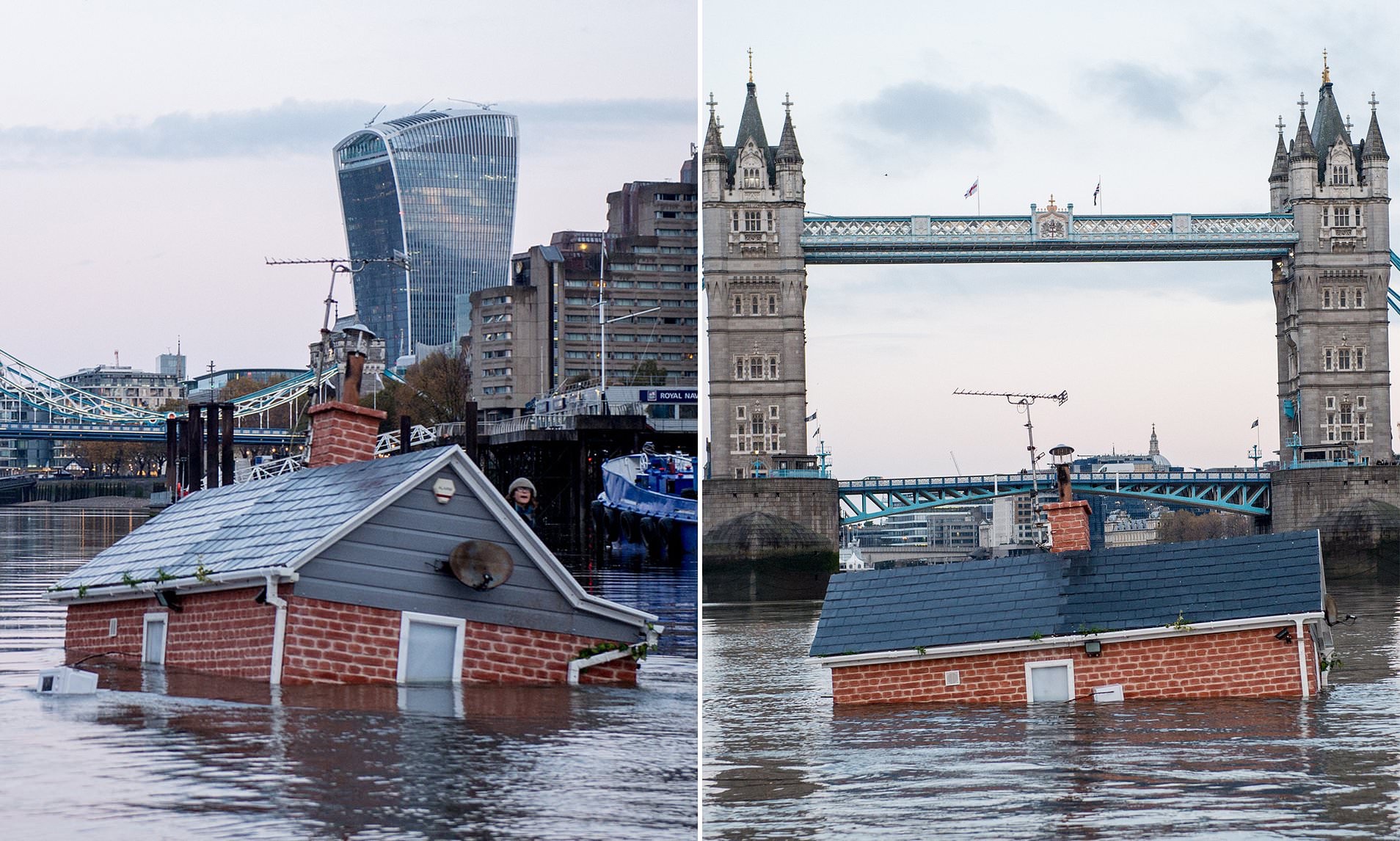
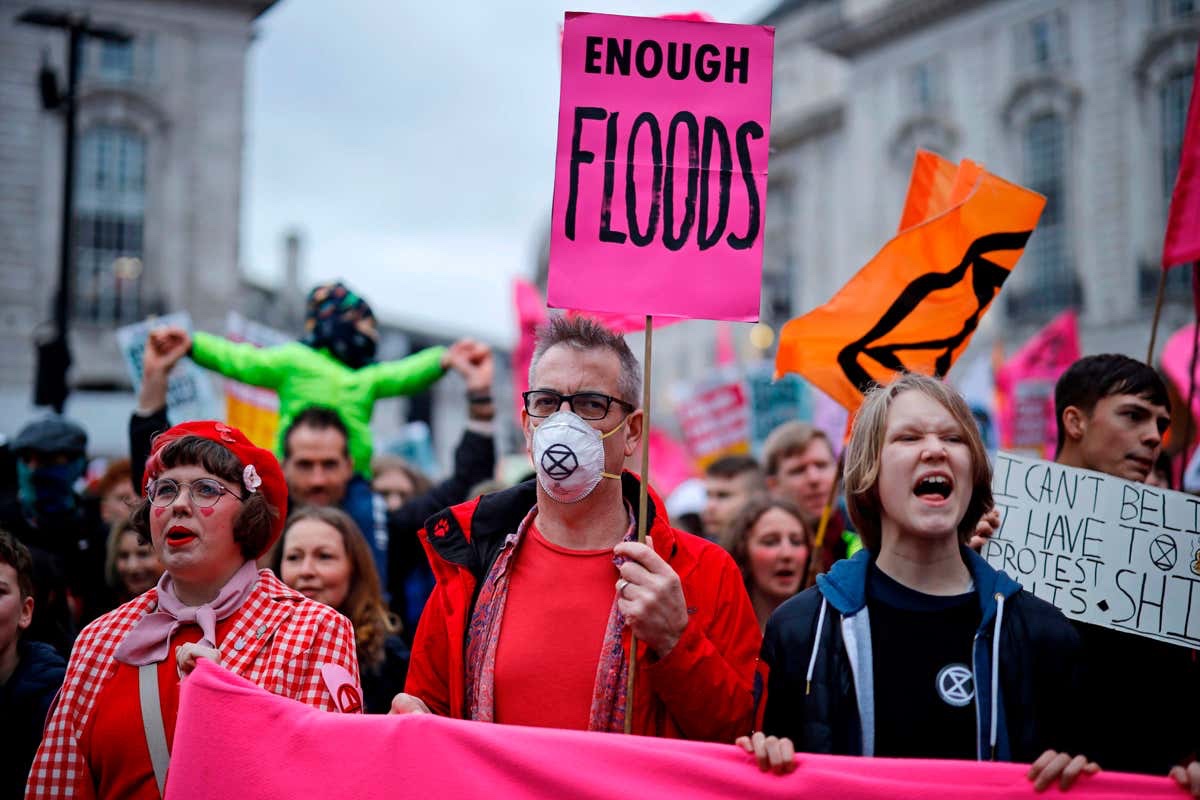
Who? Global environmentalist movement Extinction Rebellion, design and installation by Katey Burak and Rob Higgs. What? A real time installation piece of a sinking house seen to be floating down the river Thames. When? Sunday 10th of November 2019. Where? River Thames, London. Why? To draw the public’s attention to the issue of rising sea levels and its link to climate change. CTA? Again, no.
Summary: In the early hours of Sunday the 10th of November in London a fake house was seen being lowered in the middle of the river Thames, a house designed by Extinction Rebellion members Katey Burak and Rob Higgs.
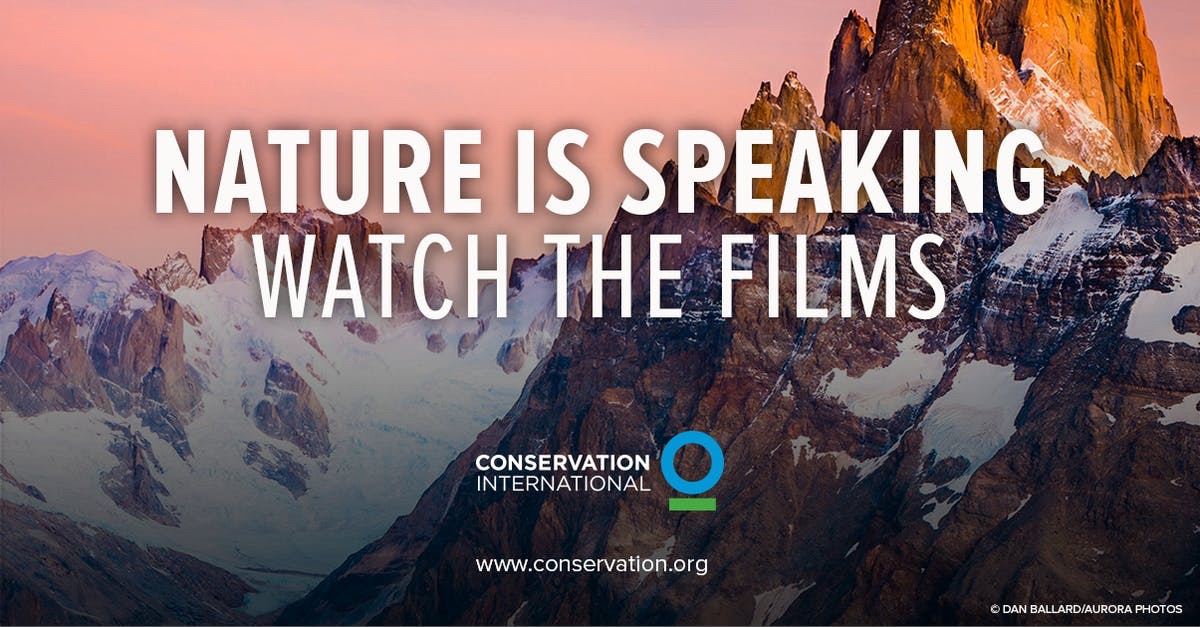
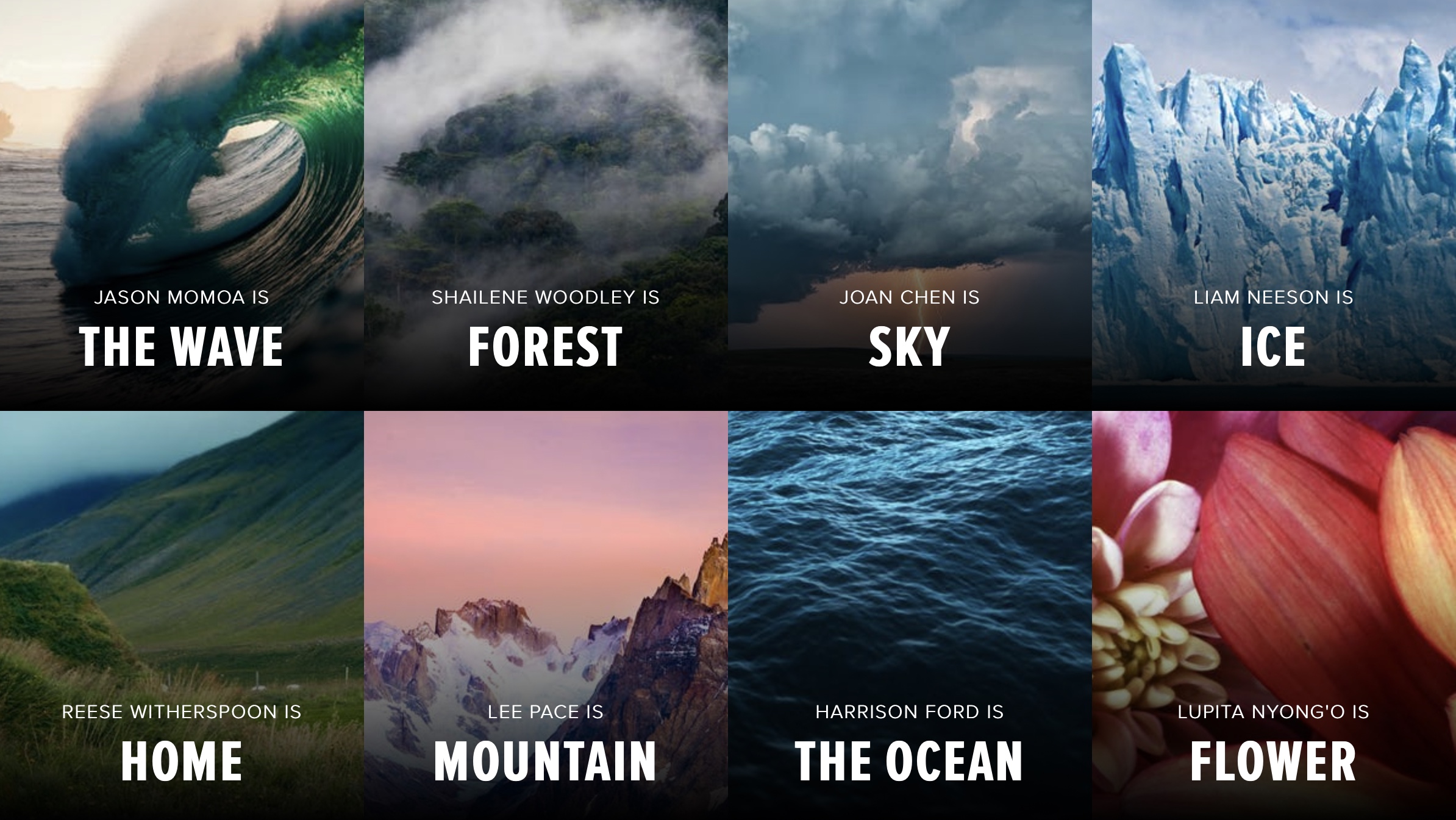
Who? Non-profit giants in environmental activism in the US, Conservation International. What? Celebrity studded awareness campaign in the form of short films voiced by some of the biggest names in Hollywood, addressing how humans are collectively mistreating the Earth. When? October to November 2014. Where? The films debuted at SXSW Eco in Austin, Texas but are also published on their website. Why? Aims to more creatively bring light to a plethora of environmental issues, in hopes the audience considers their actions to better the planet. CTA? Sort of, it says ‘watch the films’.

Who? Infamous photographer Rankin teaming up with non-profit organisation Surfrider Foundation Europe. What? A temporary sculptural installation piece which comprises a plastic monster made out of found plastics. When? 2019. Where? Exhibited on various British beaches. Why? To bring awareness to the ever-rising issue of plastic waste and pollution. CTA? Nope.
And that concludes my research for this week’s group task 🙂
 Yolanda Wafaquani’s Graphic Design Blog